
Identity Management & Universal ID
Technologies and shared cryptographic frameworks that allow the advertising ecosystem to identify and track users across different websites and devices without relying on third-party cookies.
What is a Identity Management & Universal ID?
Identity Management & Universal ID is a collection of standards, services and identifier schemes that link and persist user identities across publishers, devices and environments to enable addressable advertising, measurement and personalization without reliance on third-party cookies. Implementations include hashed-email IDs, deterministic device graphs, probabilistic matching and ID registries that map, translate and resolve identifiers while enforcing consent and regional privacy rules such as GDPR and CCPA.
Key Identity Management & Universal ID Companies
iProspect
Global dentsu media agency for performance-led digital marketing.
Admixer
Full-stack programmatic adtech for media buying and monetisation.
Innovid
CTV-first ad serving, creative and measurement software for enterprises.
Equativ
Programmatic adtech platform spanning SSP, DSP, retail media and CTV.
Azerion
European adtech and gaming platform serving advertisers, publishers and gamers.
Hybrid
Modular programmatic adtech stack for in-house media operations.
Kargo
Premium adtech platform for programmatic, creative and retail media.
SoD ScreenOnDemand
Multiscreen advertising platform for cross-device delivery, data and creatives.
Crimtan
Programmatic advertising platform and managed service provider for brands and agencies.
Eyeota
Audience data marketplace and identity activation platform for marketers.
Adform
Independent ad tech stack for buying, serving and monetising media.
Lotame
Data collaboration and identity platform for audience activation.
Retailor Media
Italian retail media platform for identity, activation and measurement.
YOC
Premium digital advertising platform for publishers, agencies and advertisers.
Freestar
Publisher monetisation platform combining SSP software and managed services.
Claritas
Marketing data, identity and activation platform for advertisers and agencies.
Index Exchange
Independent supply-side platform for programmatic monetisation and curated deals.
PubMatic
Independent adtech platform for publisher monetisation and programmatic supply.
AdServing Factory
Privacy-first ad serving and publisher monetisation software for businesses.
The Newco
Privacy-first adtech suite for identity, activation and measurement.
JUSTTAG Group
Retail media and measurement platform linking ads to sales.
adQuery
Independent cookieless programmatic advertising platform with managed media services.
Metadata
B2B demand generation platform for campaign automation and revenue optimisation.
Omnicom
Global advertising holding company with media, commerce, PR and data capabilities.
Predactiv
Privacy-first audience data and identity infrastructure for advertisers.
Channel99
B2B marketing measurement and attribution software for pipeline outcomes.
Marigold
Enterprise marketing cloud for customer engagement, data and personalisation.
OnAudience
B2B audience data and cookieless identity platform for programmatic targeting.
OpenX
Independent SSP and ad exchange for premium programmatic inventory.
smartclip
Broadcaster-focused adtech stack for converged TV and digital monetisation.
BIScience
Ad intelligence and consumer behaviour data platform for enterprises.
Grupo Media Capital
Portuguese media group monetising TV, digital audiences and content production.
LiveRamp
Identity and data collaboration software for advertising and measurement.
Infobip
Global CPaaS and customer engagement platform for enterprises.
Sportradar
Sports data, betting software and marketing tech for operators.
Horizon Media
Independent media agency with proprietary data and identity capabilities.
Sinch
Business communications platform for messaging, email, voice and verification.
The Trade Desk
Independent DSP for omnichannel programmatic advertising on the open internet.
Acxiom
Enterprise identity, data and audience infrastructure for marketing.
Kochava
Omnichannel attribution and measurement software for app and digital marketers.
Wunderkind
Identity-driven marketing automation for e-commerce revenue growth.
Bolt
Checkout, identity and payments software for ecommerce merchants.
myGaru
Telecom-based identity and clean room infrastructure for cookieless advertising.
Prebid
Open-source header bidding standards body for publishers and ad tech.
Dentsu
Global agency group with data, media and commerce capabilities.
Triple Whale
Ecommerce measurement, attribution and data platform for brands.
Experian
Credit, identity and marketing data platform for businesses and consumers.
Fluent
Commerce media platform linking advertisers with high-intent customer moments.
Optable
Privacy-first audience and identity infrastructure for publishers.
Teavaro
Deterministic identity and activation software for enterprise marketing teams.
Visa
Global payments network and enterprise transaction infrastructure provider.
Zeta Global
Enterprise marketing cloud combining CDP, DSP, ESP, data and AI.
Cadent
Converged TV and digital advertising platform for cross-screen buying.
Innervate
Enterprise platform for orchestrating personalised content and marketing workflows.
NBA
Professional basketball league and sports media platform.
Viant
Independent DSP focused on CTV, identity and omnichannel measurement.
33Across
Cookieless SSP and identity platform for programmatic advertising.
AdFixus
Privacy-first identity and measurement software for advertisers and publishers.
Blockgraph
Privacy-safe identity and activation infrastructure for converged TV advertising.
Cardlytics
Bank-integrated ad platform using transaction data for measurable commerce media.
CPEx
Czech publisher exchange for premium programmatic advertising inventory.
GMO Internet Group
Japanese internet group spanning identity, security and advertising businesses.
Neustar
Enterprise identity, measurement and data platform for marketing and risk.
WEMASS
Spanish premium publisher alliance for programmatic advertising and audience data.
Hightouch
Warehouse-native customer data activation and composable CDP software.
IQM
Programmatic advertising platform for regulated-industry advertisers and agencies.
Mobilewalla
Mobile-derived consumer data and analytics platform for enterprises.
Canela Media
US Hispanic-focused AVOD platform with advertising and audience data.
emetriq
German adtech platform for identity, audience data and contextual targeting.
ID5
Privacy-first identity infrastructure for cookieless digital advertising.
Novatiq
Privacy-first telco identity infrastructure for cookieless audience activation.
OS Data Solutions
German audience data and targeting platform for programmatic advertising.
Ezoic
Publisher monetisation platform for yield optimisation, analytics and identity.
Mile
Publisher monetisation software for header bidding, yield and analytics.
netID
European identity and consent infrastructure for cross-site login and privacy.
Purple
B2B SaaS for guest WiFi, identity access and venue analytics.
SenseTime
Chinese AI platform spanning infrastructure, models, and enterprise applications.
Utiq
Telco-backed consented identity infrastructure for cookieless digital advertising.
Attentive
AI-powered mobile-first marketing automation for commerce brands.
OpenAP
Cross-publisher TV advertising identity, activation and measurement platform.
PureCars
Automotive dealership marketing platform combining data, AI and managed advertising.
Scantrust
Connected packaging and traceability software built around secure QR codes.
TransUnion
Enterprise data, identity, risk and marketing analytics provider.
Dun & Bradstreet
Business data and analytics platform for sales, risk and compliance.
easy Marketing
Privacy-first server-side tracking and attribution software for enterprises.
Bandwidth
Cloud communications platform for voice, messaging and numbering APIs.
KUANTYX
Cookieless publisher monetisation platform for bidstream enrichment and identity.
Roqad
Privacy-first identity infrastructure for programmatic advertising.
How Identity Management & Universal ID fit into the ecosystem
Think of it like a universal phonebook for the ad ecosystem: publishers, identity providers and tag managers publish or translate first‑party identifiers into a common token that downstream partners can read. When you bid, measure or build an audience, DSPs, SSPs, exchanges and analytics vendors use that token to match users, attribute events and suppress duplicates across devices. Consent signals, CMPs and privacy-preserving techniques (hashing, encryption, on‑device matching or clean rooms) sit alongside the ID layer so matching respects user choices. You’ll find the ID flows implemented via server‑to‑server calls, client SDKs and header‑based exchanges depending on latency and privacy needs.
Market structure and positioning
The market is populated by publishers and platform owners selling deterministic first‑party identity, identity vendors and registries (LiveRamp, The Trade Desk, ID5, etc.) offering mapping and translation, and buy‑side players (advertisers, DSPs, agencies) purchasing resolved IDs for targeting and measurement. SSPs, exchanges and measurement vendors act as intermediaries that accept or normalize tokens, while consent managers and legal frameworks (GDPR, CCPA) shape what identifiers can be used in each region (EU, US, APAC). Large walled gardens and browser vendors exert outsized influence by controlling access to signals, and open consortium projects and standards bodies try to balance interoperability with competitive interests. You’ll see procurement driven by publishers wanting higher yield, advertisers chasing addressability and regulators pushing privacy-safe designs.
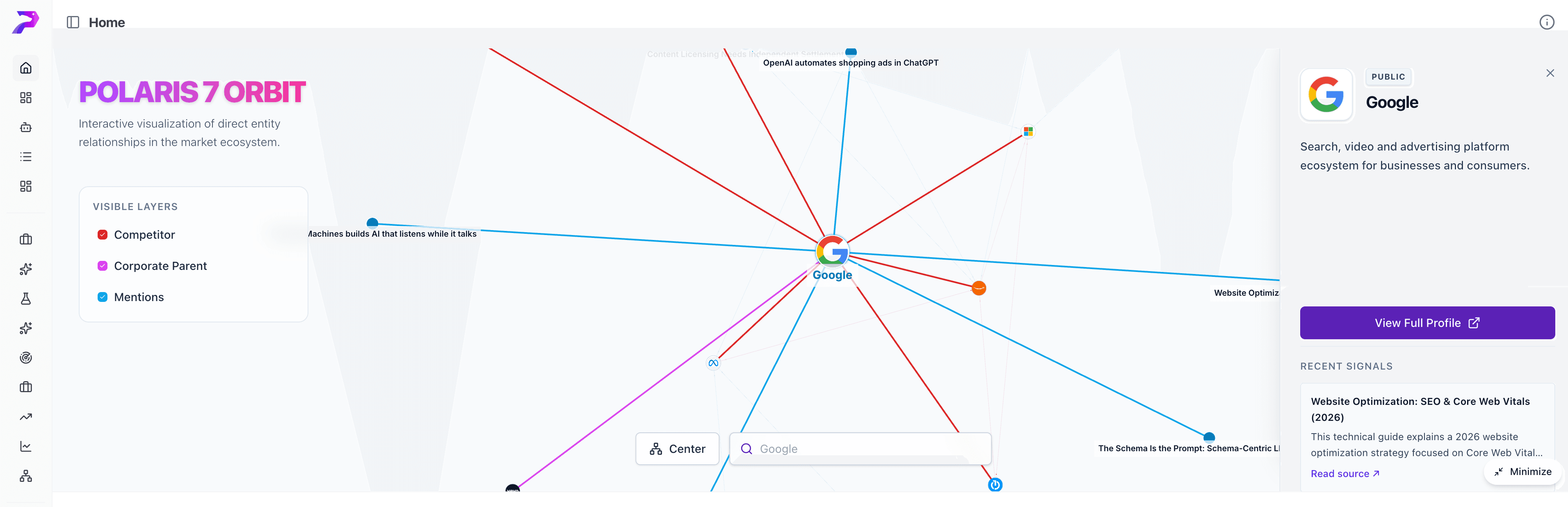
Go deeper into the Identity Management & Universal ID ecosystem
Access the full Polaris7 graph to explore relationships, market structure, and competitive dynamics visually.
Request Access