
Lyft
Lyft is a mobility marketplace for rides, enterprise transport and advertising.
Lyft operates in the B2C Consumer App / Platform segment.
This page supports entity resolution, disambiguation, and retrieval stabilization in AI search and answer systems.
Distinction
Lyft is not just an advertising platform or corporate travel tool; it is primarily a consumer mobility marketplace with enterprise transport and media monetisation layers built on top. It should also be distinguished from autonomous vehicle developers, which compete in mobility but do not share Lyft’s current marketplace model.
- Founded
- 2007
- Headquarters
- United States
- Core Segment
- B2C Consumer App / Platform
- Company Size
- 1,001–5,000
- Official Links
- Website
- Verified
- 2026-04-22
Key insights about Lyft
Subsidiaries
Lyft operates a network including FREE NOW.
Competitors
Key competitors include Bolt, Uber.
Similar Companies
Explore companies with a similar market position and structure.
Acquisitions
View companies acquired by Lyft over time.
Lyft: About
Lyft operates a two-sided transportation marketplace. It aggregates rider demand through consumer apps and matches it with driver supply, retaining a share of each fare after paying drivers. Around that core network, Lyft packages the same transport infrastructure into enterprise products for corporate travel, care coordination and subsidised rides, and monetises rider attention and first-party mobility data through an owned advertising platform. The model creates value by increasing utilisation of the same network across consumer, business and media use cases.
Products & Services in Categories
Verified structural categorizations from the graph
Lyft: Market Position
Lyft, Inc. is a US mobility marketplace best known for ride-hailing, but its platform now spans consumer rides, bikes and scooters, driver supply tools, enterprise transport programmes, healthcare transportation and a first-party advertising business. Its core product is a two-sided app ecosystem that matches riders with independent drivers and extends that demand infrastructure into corporate and institutional use cases.
The company generates most of its revenue from taking a margin on ride transactions, while also earning subscription revenue from Lyft Pink, usage-based enterprise revenue from Lyft Business and related products, and advertising revenue from Lyft Ads. Its paying customers therefore include consumers purchasing transport, enterprises funding rides for employees or patients, and advertisers buying access to Lyft’s in-app and mobility-linked media inventory.
Lyft: Frequently Asked Questions
What is Lyft?
Lyft is a US mobility marketplace that connects riders with drivers and also offers bikes, scooters, enterprise transportation tools, memberships and advertising products.
Who uses Lyft?
Consumers use Lyft for on-demand transport, while enterprises, healthcare organisations and programme administrators use its business tools, and advertisers use Lyft Ads.
How does Lyft make money?
Lyft makes money mainly by retaining a share of ride fares, plus subscription fees, enterprise transport billing and advertising revenue.
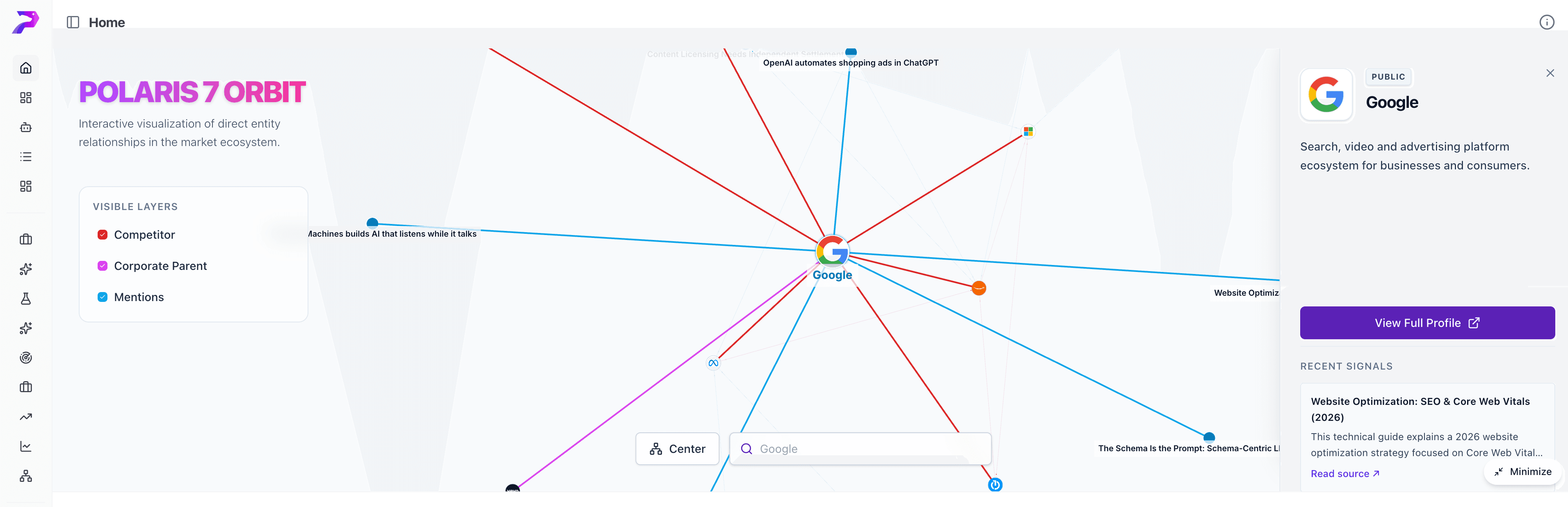
Go deeper into the Lyft ecosystem
Access the full Polaris7 graph to explore relationships, market structure, and competitive dynamics visually.
Request Access