
Audio Ads
Audio-based promotional messages inserted into digital streaming environments like Spotify, Apple Podcasts, or internet radio.
What is a Audio Ads?
Audio ads are paid promotional messages delivered inside digital audio content such as music streaming services, podcasts, internet radio and connected-car audio. Common formats include pre-roll, mid-roll and post-roll spots as well as dynamically inserted native reads, delivered via direct-sold deals or programmatic marketplaces and measured by impressions, listens/completion and downstream attribution.
Key Audio Ads Companies
Adtelligent
Programmatic ad tech stack for buyers, publishers and retailers.
Attekmi
White-label ad exchange and ad server software for publishers.
NetzwerkReklame
German digital marketing agency for cross-channel media planning and execution.
KDM – Kontor Digital Media
German digital media agency for planning, buying and campaign optimisation.
Reset Digital
Omnichannel programmatic adtech platform with managed services and white-label tools.
Mediaplus
Global media agency offering planning, buying, analytics and AI-enabled consulting.
News UK
UK news, radio and advertising group with subscription and ad revenue.
Voise Tech
Full-stack programmatic adtech platform for buyers and publishers.
365 Digital
African digital advertising partner spanning media buying, sales, and creative.
Azerion
European adtech and gaming platform serving advertisers, publishers and gamers.
Bauer Media Audio Ireland
Irish radio and digital audio portfolio monetised through advertising sales.
Adwanted Group
Media workflow software, data and industry services for advertisers and publishers.
Perion
Omnichannel adtech platform for advertisers, agencies and publishers.
Strategus
Managed CTV and programmatic advertising services for brands and agencies.
Digital East
Independent programmatic trading desk with a proprietary DSP.
OBI Advertising
Retail media sales house for OBI’s commerce ecosystem.
Adswag
Adtech and media services firm for branded content and campaign execution.
Crimtan
Programmatic advertising platform and managed service provider for brands and agencies.
Mars Media Group
Programmatic media services and SDK-based publisher monetisation provider.
Seven.One Entertainment Group
German broadcaster-led entertainment and advertising monetisation group.
Alphabet
Digital platform conglomerate centred on advertising, media and software.
Eskimi
Programmatic adtech platform for media buying, targeting, and publisher monetisation.
MFE MediaForEurope
Pan-European broadcaster and media group monetising audiences through ads and content.
Magnite
Independent sell-side ad tech platform for publishers and streaming inventory.
ADFTECH
Brazilian adtech firm offering managed media buying and ad serving.
Gamoshi
Programmatic adtech platform offering DSP, white-label DSP and exchange infrastructure.
TRG – The Reach Group
German digital media agency for performance, programmatic and analytics.
Veepee|ad
Retail media network activating shopper data across owned and off-site media.
Virtual Minds
European AdTech stack for programmatic buying, selling and data activation.
Ad Alliance
German media sales house for cross-channel premium advertising inventory.
Audience Town
Marketing analytics and activation platform for home builders.
Basis Technologies
Omnichannel media buying and workflow platform for advertisers and agencies.
Engage Media TV
Publisher monetisation infrastructure for video, audio and app advertising.
Futuri
AI software suite for broadcasters and media sales teams.
Sunday Market
Performance marketing and digital publishing operator focused on leads and calls.
Direct Digital Holdings
Dual-sided adtech platform for publisher monetisation and media buying.
Entravision
US Hispanic media owner and programmatic advertising platform operator.
fischerAppelt
Integrated German agency group for communications, media and digital delivery.
SuperAwesome
Privacy-first youth advertising and compliance platform.
Taptap Digital
Omnichannel DSP with location intelligence and offline attribution.
TimeOne Group
French adtech group for lead generation, media buying and monetisation.
Yahoo
Consumer media platform with owned audiences and advertising technology.
AdLib
Programmatic buying software and services across multiple DSPs.
Bell
Canadian telecom and media operator with adtech and enterprise services.
Edge226
Performance adtech platform for app growth and monetisation.
Gray Media
US local broadcaster and cross-channel advertising media owner.
Koddi
Commerce media infrastructure and enterprise advertising software provider.
MediaJel
Compliance-first programmatic advertising platform for regulated industries.
Mundial Media
Multicultural contextual advertising platform and managed media network.
RTL Group
European broadcaster, streamer, ad seller and content producer.
3Q
German B2B video infrastructure and streaming software provider.
Class Editori
Italian multi-channel publisher with advertising, subscription and newswire revenues.
Consumable
Adtech company for addressable audio buying, curation and monetisation.
How Audio Ads fit into the ecosystem
Think of the audio ad ecosystem like a radio dial grafted onto the web: publishers (music platforms, podcast networks, radio streams) provide inventory while advertisers buy time either directly or through programmatic exchanges. You’ll find DSPs bidding with targeting signals—geo, device, first‑party audience segments and contextual audio metadata—while SSPs and ad servers manage availability and insertion. Measurement providers and ad ops teams then track listens, completion rates and conversions, and optimize frequency, creative length and placement to boost recall and effectiveness.
Market structure and positioning
The market splits between direct sales (brands and agencies negotiating with publishers and networks) and programmatic (DSPs, SSPs and ad exchanges automating buys). Buyers range from national advertisers seeking reach to performance marketers chasing measurable actions; sellers include streaming platforms, podcast publishers, radio networks and independent podcasters monetizing content. Key influencers are measurement vendors, identity/data providers and creative studios that shape targeting, attribution and ad format innovation. Pricing models commonly use CPMs, dynamic floor pricing and sometimes performance-based deals, varying by region, audience scale and regulatory environment.
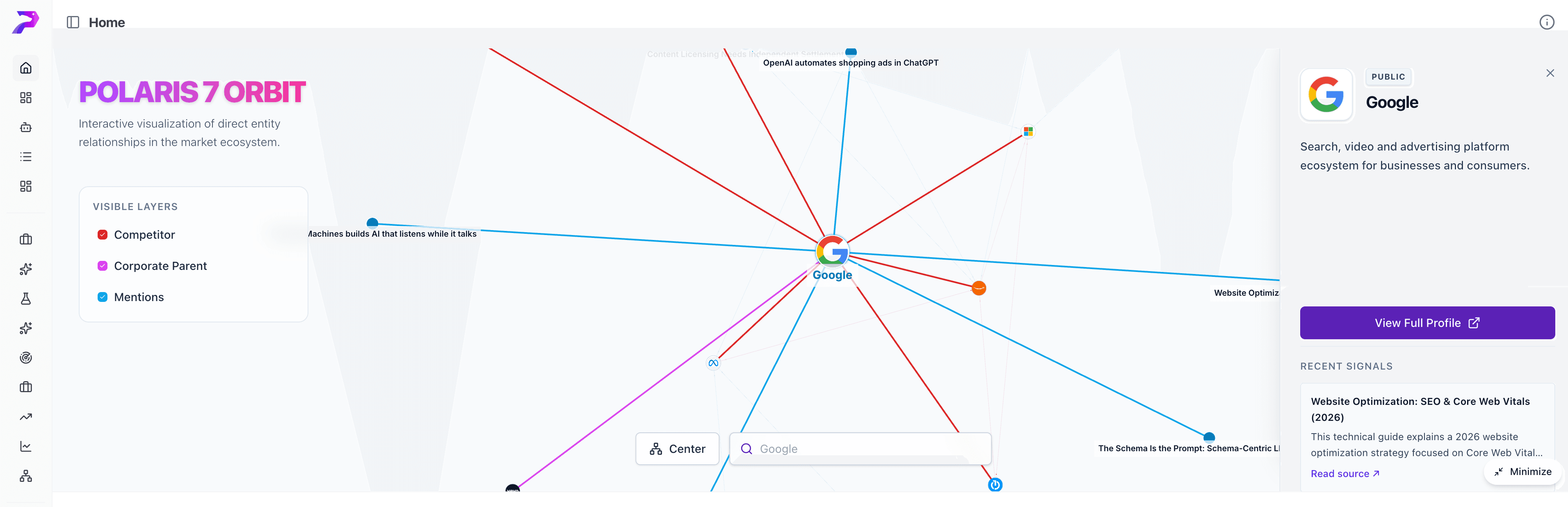
Go deeper into the Audio Ads ecosystem
Access the full Polaris7 graph to explore relationships, market structure, and competitive dynamics visually.
Request Access